Unlock custom sweatshirts with the right fabric: GSM, fleece, Terry & blends for quality! Request your free sample today! Custom Sweat...
Unlock custom sweatshirts with the right fabric: GSM, fleece, Terry & blends for quality! Request your free sample today!
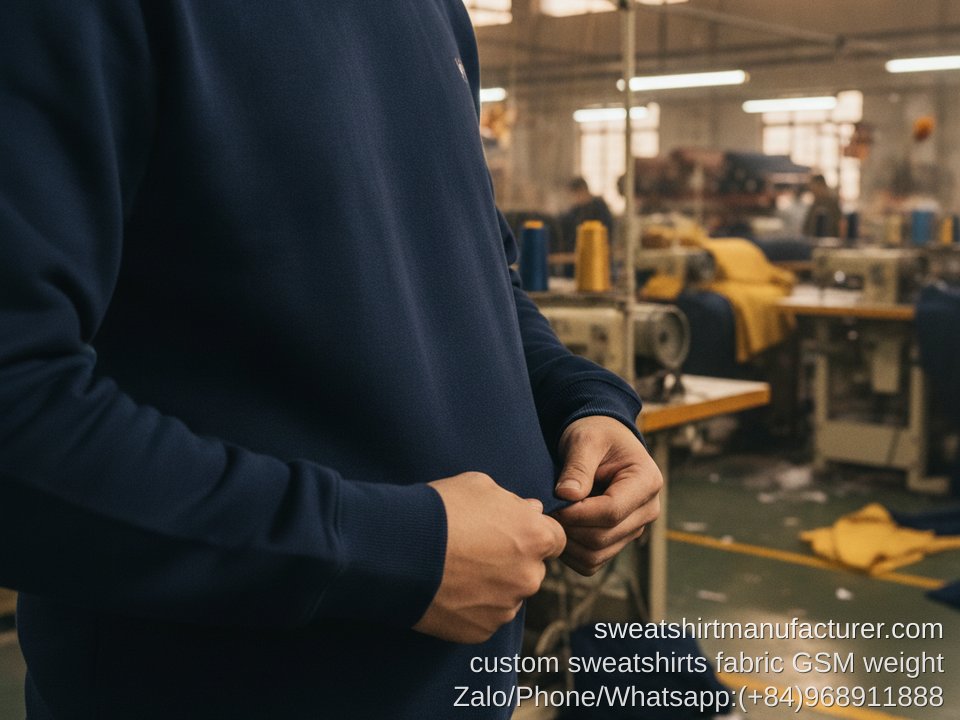
Custom Sweatshirts Fabric Guide: Understanding GSM, Fleece, French Terry & Performance Blends
Selecting the right fabric is paramount when sourcing custom sweatshirts. The material directly impacts the garment's feel, drape, durability, and suitability for specific applications. Understanding fabric weight, particularly custom sweatshirts fabric GSM weight, is a crucial first step for any technical buyer or brand owner aiming for quality and value. This comprehensive guide will demystify common sweatshirt fabrics and their defining characteristics, helping you make informed decisions for your next production run.
At Sweatshirt Manufacturer (sweatshirtmanufacturer.com), operated by Gold Garment, we understand that the devil is in the details. Our expertise in custom sweatshirts fabric GSM weight and material selection ensures your brand's vision translates into high-quality, comfortable, and durable apparel. We pride ourselves on offering factory-direct pricing and worldwide shipping from our facility in Ho Chi Minh City, Vietnam, with a competitive MOQ of 100 pcs.
Choosing the correct fabric not only affects the end product's aesthetic but also its performance and cost. Factors like intended use – whether for casual wear, activewear, or promotional items – will guide your fabric choice. As a leading provider of custom sweatshirts, we offer a wide array of material options to meet diverse client needs, a testament to our extensive experience in Vietnam textile sourcing, as shown by Vietnam textile sourcing.
Understanding Fabric Weight: GSM Explained
GSM, which stands for grams per square meter, is the standard unit of measurement for fabric weight. It indicates how much a square meter of fabric weighs. For custom sweatshirts, GSM is a critical metric because it directly correlates with the fabric's thickness, warmth, and drape. A higher GSM generally means a heavier, thicker, and warmer fabric, while a lower GSM suggests a lighter and more breathable material.
The typical GSM range for sweatshirts varies, but common weights fall between 200 GSM and 400 GSM. Lighter weight sweatshirts, often around 200-280 GSM, are suitable for transitional weather or layering. Mid-weight options, typically 280-350 GSM, offer a good balance of warmth and comfort for cooler conditions. Heavyweight sweatshirts, exceeding 350 GSM, are ideal for extreme cold and provide a substantial, premium feel.
Understanding the sweatshirt GSM guide is essential for aligning fabric choice with your product's intended function and season. For instance, a brand targeting athleisure might opt for a mid-weight French Terry, while a company creating winter outerwear accessories might prefer a dense fleece at a higher GSM. This foundational knowledge about custom sweatshirts fabric GSM weight is key to achieving the desired outcome.
Exploring Common Sweatshirt Fabrics
Fleece: The Classic Choice for Warmth and Comfort
Fleece is arguably the most popular fabric for sweatshirts, renowned for its exceptional softness, warmth, and comfort. It's typically made from polyester, though cotton and wool can also be used. The characteristic fuzzy texture of fleece is achieved through a brushing process that raises the fibers on one or both sides of the fabric, creating air pockets that trap heat effectively.
There are several types of fleece, including:
- 100% Polyester Fleece: Offers excellent warmth, durability, and is quick-drying. It's a common choice for activewear and outerwear due to its moisture-wicking properties.
- Cotton/Polyester Blend Fleece: This blend combines the softness and breathability of cotton with the durability and warmth of polyester. It's a versatile option for everyday wear.
- 100% Cotton Fleece: Provides excellent breathability and a natural feel, but can be heavier when wet and may pill over time.
When considering fleece vs jersey custom sweatshirts, fleece offers superior warmth and a plush feel, making it ideal for colder climates or casual comfort. The specific GSM of fleece will further define its weight and warmth, with heavier fleeces offering maximum insulation.
French Terry: Versatile and Breathable
French Terry is a knitted fabric that offers a smooth, loop-side on the inside and a soft, flat surface on the outside. Unlike fleece, the loops are not brushed out, resulting in a lighter, more breathable fabric that still provides a good level of warmth.
The construction of French Terry makes it highly versatile. The smooth exterior is excellent for printing vibrant graphics, while the looped interior offers comfort and moisture-wicking properties, making it a popular choice for activewear and transitional clothing. This fabric is often preferred for its ability to regulate body temperature, making it suitable for a wider range of climates than heavy fleece.
When sourcing french terry custom sweatshirts, consider its GSM. Lighter GSM French Terry is ideal for warmer weather or layering, while a heavier GSM can provide more substantial warmth. Its smooth surface is also a significant advantage for brands looking to achieve detailed prints and a premium finish on their custom apparel.
Performance Blends: For Active and Technical Apparel
Performance blends are engineered to meet specific functional requirements, often incorporating synthetic fibers like polyester, nylon, and spandex (elastane) with natural fibers like cotton or merino wool. These blends are designed for athletic activities, outdoor pursuits, or any situation where moisture management, stretch, or durability is crucial.
Key characteristics of performance blends include:
- Moisture-Wicking: Designed to draw sweat away from the body, keeping the wearer dry and comfortable.
- Breathability: Allows air to circulate, preventing overheating during intense activity.
- Stretch and Recovery: Spandex or elastane provides flexibility and ensures the fabric retains its shape after stretching.
- Durability: Synthetic fibers often offer enhanced resistance to abrasion and wear.
These fabrics are ideal for activewear brands, sports teams, or corporate apparel that requires a professional yet functional look. The specific blend and GSM will determine the exact performance attributes and weight, offering a broad spectrum of options for specialized needs.
Key Fabric Specifications to Consider
When specifying your custom sweatshirts fabric GSM weight, several other factors are important:
Fiber Composition
The primary fibers – cotton, polyester, rayon, spandex – dictate the fabric's inherent properties. Cotton offers breathability and softness, while polyester provides durability and quick-drying capabilities. Blends are often used to leverage the best of multiple fibers. Understanding fiber composition is crucial for achieving the desired feel, performance, and care requirements for your custom sweatshirts.
Weave and Knit Structure
While most sweatshirts are made from knitted fabrics (like fleece and French Terry), the specific knit structure can influence the fabric's stretch, drape, and texture. For instance, a standard jersey knit is lighter and more drapey than a heavier fleece knit. The construction method is a key differentiator when comparing fleece vs jersey custom sweatshirts.
Finishing Processes
After knitting, fabrics undergo various finishing processes that enhance their properties. These can include brushing (for fleece), calendering (to create a smoother surface), or applying special treatments for water resistance or anti-pilling. These finishes significantly impact the final look and feel of the garment.
Colorfastness and Printability
For brands focusing on vibrant designs, the fabric's ability to hold dye and accept ink is critical. We ensure that our chosen fabrics offer excellent colorfastness and are receptive to various printing techniques, allowing for crisp, durable graphics on your custom sweatshirts. This is a key consideration for any OEM or private label project, as detailed in our guide on OEM vs Private Label custom sweatshirts: Choosing the Right Model for Your Brand.
Making the Right Fabric Choice for Your Brand
The ultimate fabric choice for your custom sweatshirts depends on several factors. Consider the intended use: casual wear, activewear, promotional items, or corporate uniforms. The climate in which the garments will be worn is also a major factor in determining the appropriate GSM and fabric type.
For everyday comfort and warmth, cotton-blend fleece or a mid-weight French Terry are excellent choices. For active individuals or sports teams, performance blends with moisture-wicking and stretch properties are essential. Brands looking for a premium, heavy feel might opt for high-GSM fleece. Our comprehensive guide on custom sweatshirts: Complete OEM & Private Label Manufacturing Buyer's Guide provides further insights into the entire sourcing process.
We also offer guidance on different Sweatshirt Styles Guide: Crewneck, Zip-Up, Half-Zip & Quarter-Zip Compared, which can influence fabric selection. Understanding the manufacturing process itself, as explained in How custom sweatshirts Are Made: The Complete Manufacturing Process Explained, can also help in appreciating why certain fabrics are chosen.
As a reputable Vietnam sweatshirt OEM factory, we have a proven track record of delivering high-quality custom apparel, as demonstrated by Vietnam sweatshirt OEM factory. Brands also partner with Vietnam hoodie manufacturer for their diverse apparel needs.
Frequently Asked Questions
Q: What is the best fabric for lightweight, breathable custom sweatshirts?
A: For lightweight and breathable custom sweatshirts, French Terry is an excellent choice. Its looped interior provides comfort and moisture-wicking capabilities without the bulk of brushed fleece. Look for French Terry with a lower GSM (e.g., 200-280 GSM) for optimal breathability.
Q: How does GSM affect the warmth of a custom sweatshirt?
A: GSM directly correlates with warmth. A higher GSM indicates a denser, heavier fabric that traps more air, providing greater insulation and warmth. Conversely, a lower GSM results in a lighter fabric with less warmth, suitable for milder conditions or layering.
Q: Can I request specific fabric blends for my custom sweatshirts?
A: Absolutely. As a professional manufacturer, we work with a wide range of fabric compositions. You can specify desired blends, such as cotton-polyester, tri-blends, or performance-oriented materials, to achieve the exact feel, look, and functionality you require for your custom sweatshirts.
Q: What are the MOQ requirements for custom fabric sourcing?
A: Our standard MOQ for custom production is 100 pieces per style. This allows us to manage production efficiently while offering competitive, factory-direct pricing. For more details on minimum order quantities, please refer to our custom sweatshirts MOQ Guide: Minimum Order Quantities for Custom Production.
By understanding these fabric nuances and working with an experienced manufacturer like Sweatshirt Manufacturer (sweatshirtmanufacturer.com), you can ensure your next batch of custom sweatshirts meets your exact specifications and exceeds your expectations.
Let us help you bring your custom sweatshirt designs to life with our expertise in fabric selection and high-quality manufacturing.
📩 Request a Free Quote — Response Within 5 Minutes
🌎 Website: sweatshirtmanufacturer.com
Factory-direct pricing · MOQ from 100 pcs/style · Sample development · Worldwide shipping


